

by
Damian Robertson knew he needed gas. What he didn’t expect was that filling his tank would feel like a financial hit he had never experienced before.
“Seventy-one dollars,” Robertson, 37 of Northeast D.C., said after pumping 15 gallons into his Toyota Camry. “Now, tell me, who is benefiting from this war? Not us. Certainly not at the gas pump.”
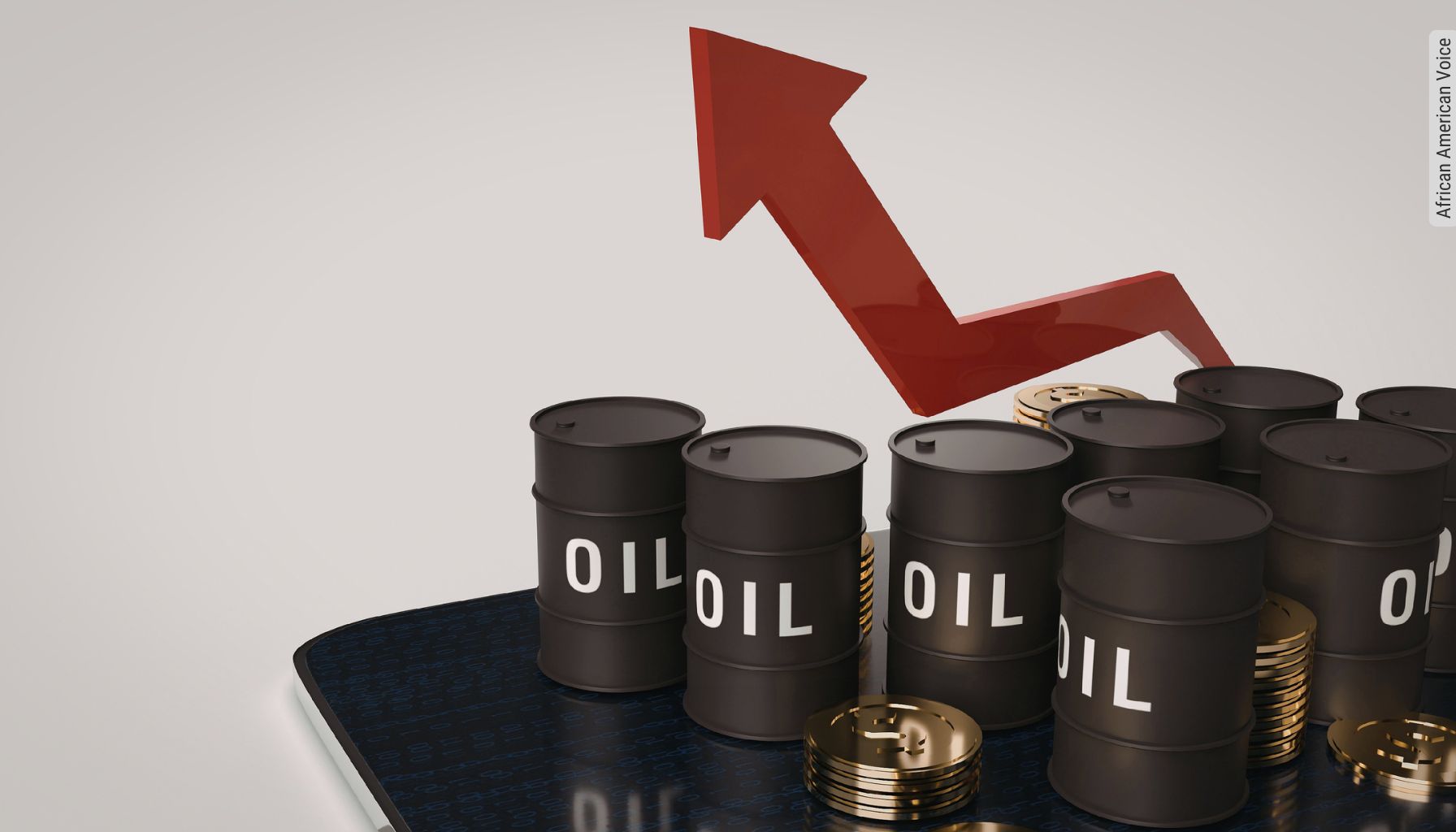
Across the nation, drivers are confronting rising fuel costs that have pushed average prices above $4 per gallon. AAA data shows the average price for regular gas in the District reached $4.19 this week, up more than a dollar from a month ago.
The increase comes as fuel costs climb nationwide following escalating tensions in the Middle East. Gas prices have jumped more than 30 percent since late February, when military action involving the United States, Israel, and Iran disrupted global oil supplies.
“That’s groceries. That’s something for my family,” Robertson told The Informer. “You feel it immediately.”
Energy analysts say the spike is tied to a sharp disruption in global oil movement. Tanker traffic through the Strait of Hormuz, one of the world’s most critical oil routes, has dropped significantly due to attacks linked to Iran. Before the conflict, roughly one-fifth of the world’s oil supply moved through that corridor.
The disruption has driven oil prices sharply higher, with diesel fuel rising more than 40% and gasoline topping $4 per gallon nationwide.
Industry analysts say consumers are likely to feel the effects beyond the gas station.
“This is really quickly going to ignite additional inflation,” Patrick De Haan, head of petroleum analysis at GasBuddy, said in remarks to clients and industry observers.
In D.C., where many residents commute to and from Maryland and Virginia, and rely on vehicles for work, the price surge is hitting household budgets and small businesses at the same time.
Federal officials have acknowledged the strain. Vice President JD Vance reportedly told consumers at an event in Auburn Hills, Michigan, that a “rough road” lies ahead for gas prices, while maintaining that the spike could ease if the conflict subsides.
The administration said it has moved to address supply concerns, including releasing 172 million barrels of oil from the Strategic Petroleum Reserve as part of a coordinated effort with other nations.
Still, analysts caution that relief may be limited unless oil begins moving freely again through key global routes.
“The president doesn’t have a whole lot of levers,” De Haan said in the same March 20 analysis.
Economic concerns are also growing. A market indicator tied to Walmart’s stock performance shows increased pressure on lower- and middle-income consumers, a trend that has appeared before previous downturns.
For many, including consumers in the District, those pressures are already visible at the pump.
“We’re the ones paying for it,” Robertson said. “Every single time.”
Source: Published without changes from Washington Informer Newspaper