by
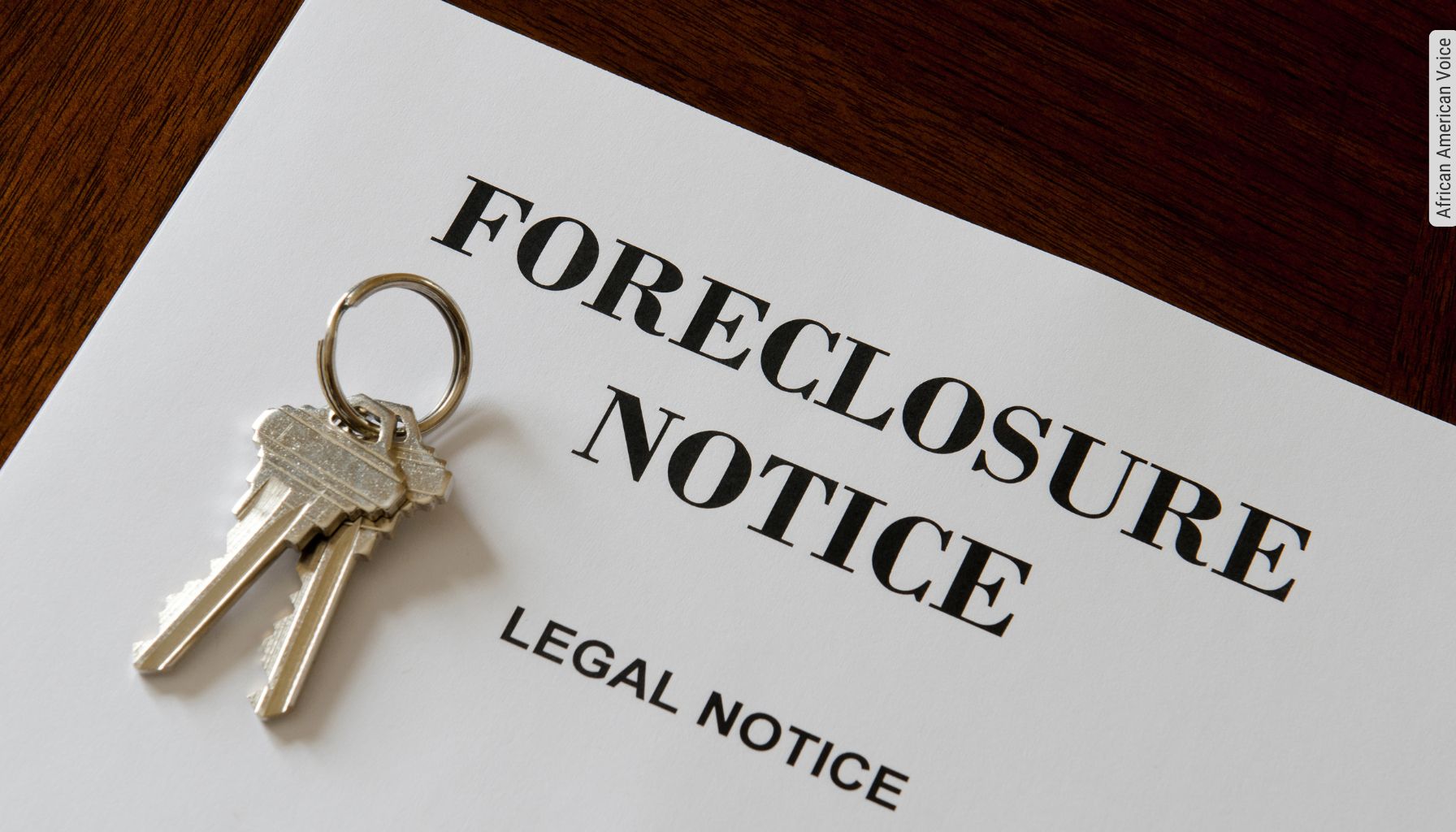
Foreclosure filings across the United States have reached their highest level in nearly seven years.
By early 2026, the national foreclosure start rate hit 0.24%, matching rates from before the pandemic. With federal relief programs ended and the cost of living outpacing wage growth, many homeowners are struggling to make mortgage payments.
Realtor.com reported that the rate of foreclosures has ticked up in recent years after a period of suppression following the COVID-19 pandemic. Foreclosures are now about as common as they were in 2019, but well below the levels seen during the Great Financial Crisis.
Foreclosed homes go to auction, and if their reserve price is not met, they become Real Estate Owned (REO) and are listed by the lender on the MLS. Realtor.com data shows that REOs were 1.3% of active listings in April.
The median REO home that sells does so for a price that is 27.2% less than its estimated value. This discount, however, was even higher when the housing market was hotter and there were fewer foreclosed homes for sale.
“REO listings are concentrated in low-cost markets, and though they draw 26.5% more page views than typical listings, they spend 11 days longer on the market,” Realtor.com experts said.
Certain regions, especially parts of the South and Midwest, are seeing the largest share of default listings. In Lake Charles, Louisiana, and Tuscaloosa, Alabama, foreclosures now make up more than 7% of active home listings.
The D.C. area recorded 959 active foreclosure filings early this year—an increase from 849 at the same time last year. That represents a 12.9% jump. Even so, the District itself has not reached the extreme levels seen during the housing crash of 2008.
Foreclosure activity in D.C. dropped 6.82% compared to the previous quarter, although it is still 16.31% higher than a year ago. Despite these changes, the market remains steady, supported by stable home values and the area’s strong base of federal jobs.
Abandoned homes caught in foreclosure, sometimes called “zombie” foreclosures, have increased slightly in D.C. but remain rare, making up just a small part of the local housing market.
Behind these numbers are stories of loss and resilience. Michelle Polizzi, who wrote a memoir about losing her family’s home, described the lasting personal impact.
“Knowing that I was about to lose my house internalized the untrue belief that I no longer deserved one,” Polizzi recalled. “We don’t just lose a physical house when we experience foreclosure. We lose a fundamental piece of who we are.”
Vanessa and Richard Bulnes, renters in D.C., faced the threat of losing their home for a second time after a landlord’s delays in fixing lead contamination forced Vanessa’s business to close, leading to unpaid rent.
“There were nights where I would wake up and think, ‘We’re squatters.’ And we felt really bad about that because it was never our intention to not pay rent,” Vanessa told PBS.
For D.C. residents worried about foreclosure, help is available. The District’s Foreclosure Mediation Program gives homeowners a chance to meet with lenders and discuss options such as loan modifications and repayment plans. Since 2011, 70% of mediations have resulted in homeowners keeping their homes.
Housing counseling and legal support are available through the Department of Housing and Community Development and the Department of Insurance, Securities and Banking. Residents can also call hotlines at (202) 265-2255 and (855) 449-2255 for advice and support.
Officials urge people to watch out for scams and to report suspicious offers to local authorities.
Even with a rise in filings over the past year, the D.C. housing market remains steady. While inflation and higher costs may continue to create challenges, the city’s strong job market and support programs are helping many families remain in their homes.
“There is no trade-off for a roof over our heads,” Polizzi wrote. “Losing one’s home breeds a unique brand of shame because housing isn’t something we can live without, at least not if we want any sort of quality of life, or want to be accepted by society.”
Source: Published without changes from Washington Informer Newspaper